
MARINE WINDOW TINTING
Window Tinting for Boats, by Type
The right boat heat reduction film and the right approach to the install both depend on which one you’re standing on.
Marine Window Tinting
A pontoon boat and a cabin cruiser have almost nothing in common once you get past “both float.” One has a wide open console with a flat windshield, the other has an enclosed cabin with curved glass on every side. The right boat heat reduction film and the right approach to the install both depend on which one you’re standing on.


Where We Work
Proudly Serving Northwest Montana
Whether you’re on a pontoon, a cabin cruiser, a sailboat or something in between, we tailor both the film and the install for vessels across Flathead Lake, Polson, Big Fork and the Mission Valley.
FIVE BOAT TYPES, FIVE DIFFERENT ANSWERS.
Window Tinting for Pontoons & Deck Boats
Mostly open air, with a flat windshield or console glass taking the brunt of the sun and glare. UV blocking boat window film on the console glass cuts glare for whoever’s driving, and boat window heat reduction matters less here than on an enclosed hull since the open layout already vents heat. Seating and upholstery still fade, so UV protection is usually the bigger win.
One note worth knowing: canvas tops, bimini covers and the flexible vinyl or isinglass panels common on pontoons aren’t the same material as glass, and standard window film doesn’t bond to them the same way. We tint the glass, console, and any hard-mounted windows. Vinyl enclosures are a different product entirely.
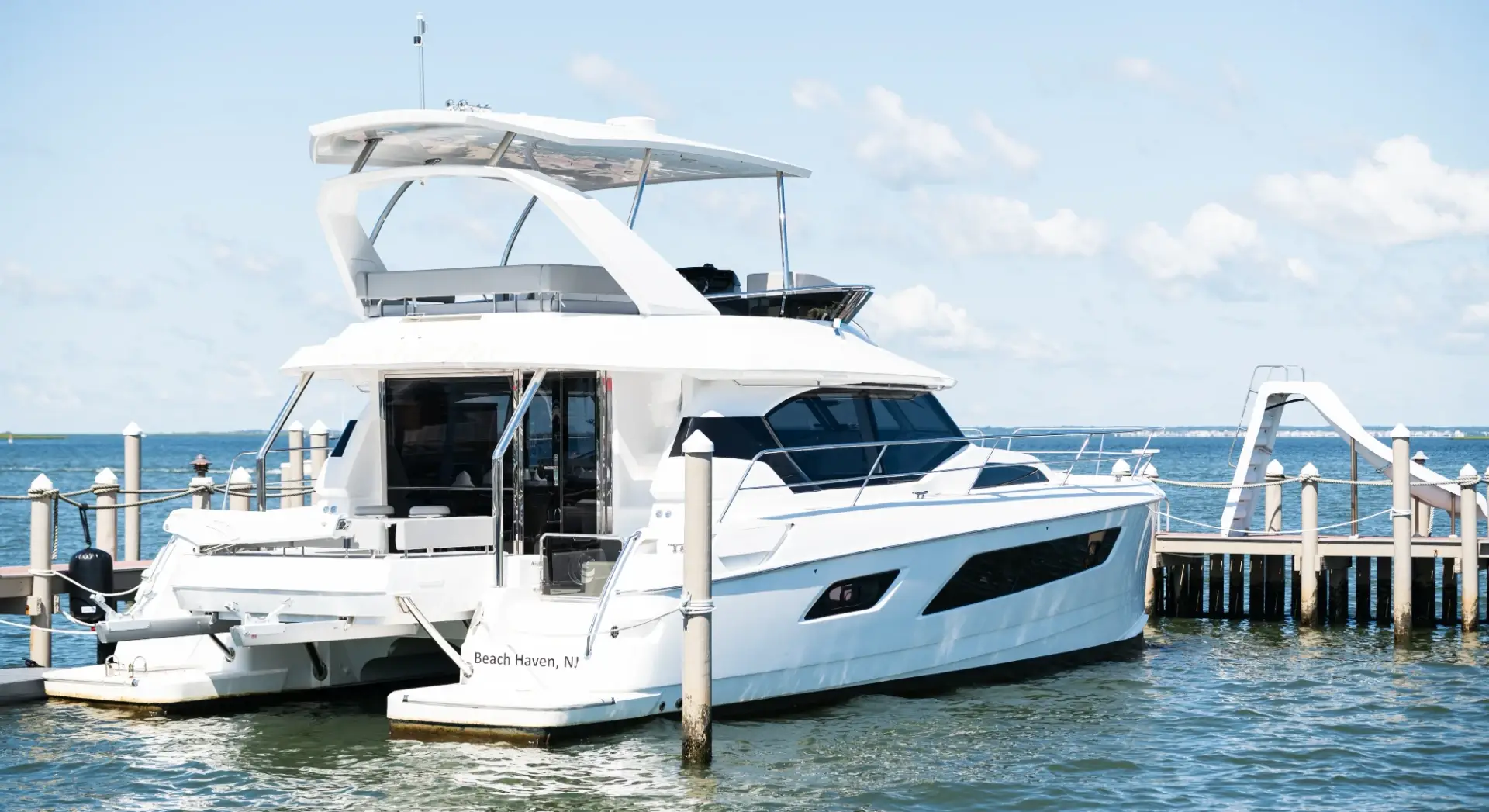
Window Tinting for Cabin Cruisers & Yachts
Enclosed cabins trap heat the way a parked car does, and the curved glass common on a lot of cruisers takes more skill to measure and cut correctly, this isn’t a job for a roll of leftover automotive film and a steady hand. This is where our premium marine film earns its keep the most, better heat rejection on a cabin that would otherwise cook all afternoon, plus UV protection for interior upholstery that’s usually a bigger investment than a pontoon’s seating.
Privacy sometimes matters here too, especially on boats with sleeping quarters below deck.
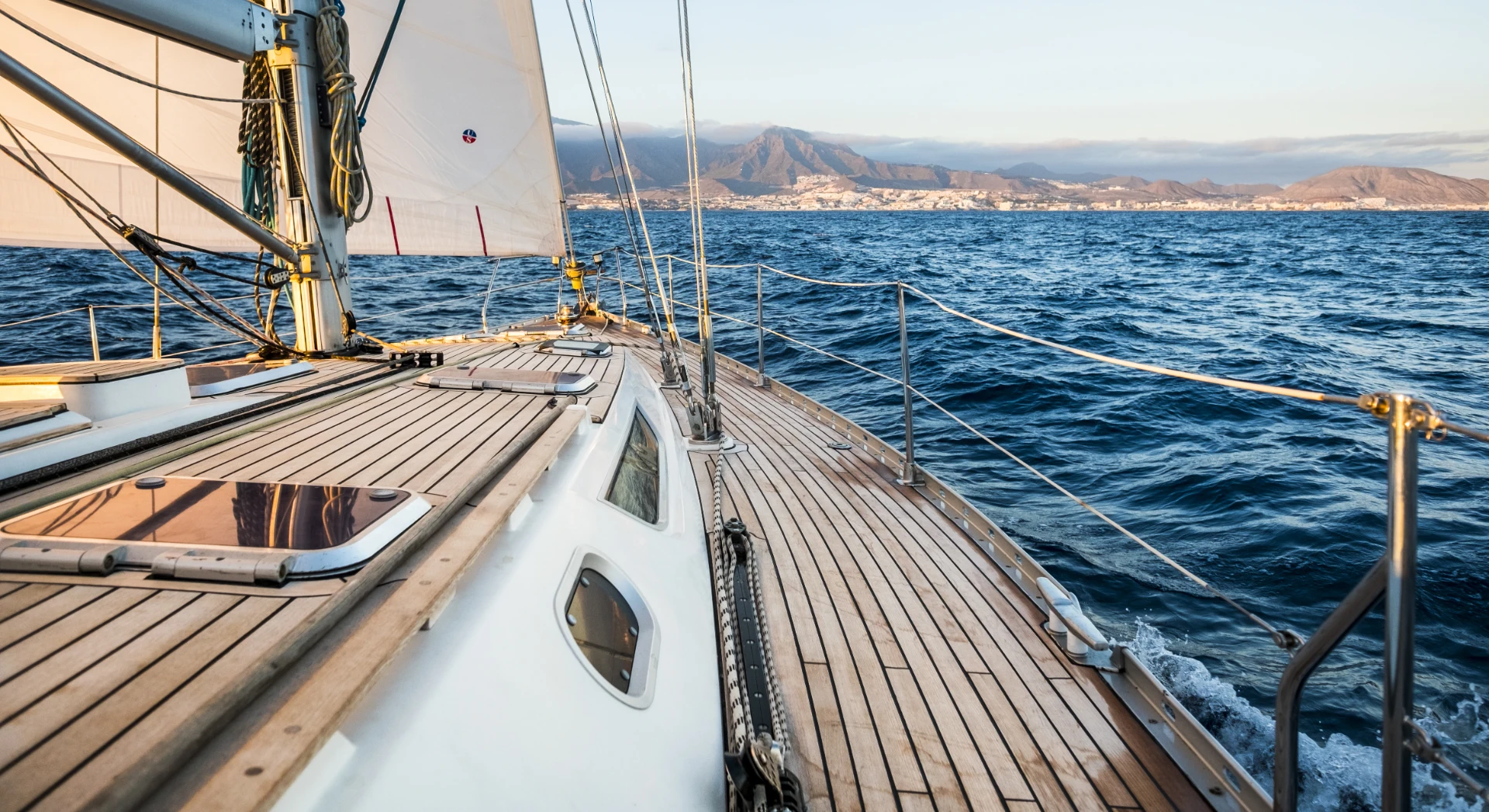
Window Tinting for Sailboats
Cabin windows and companionway glass are the main focus, usually smaller than a cruiser’s but still worth protecting, especially on boats that spend long stretches moored with the cabin closed up.
Cockpit visibility matters more than on a powerboat, so we lean toward films that cut heat and UV without adding glare that would work against a sailor’s sightlines.
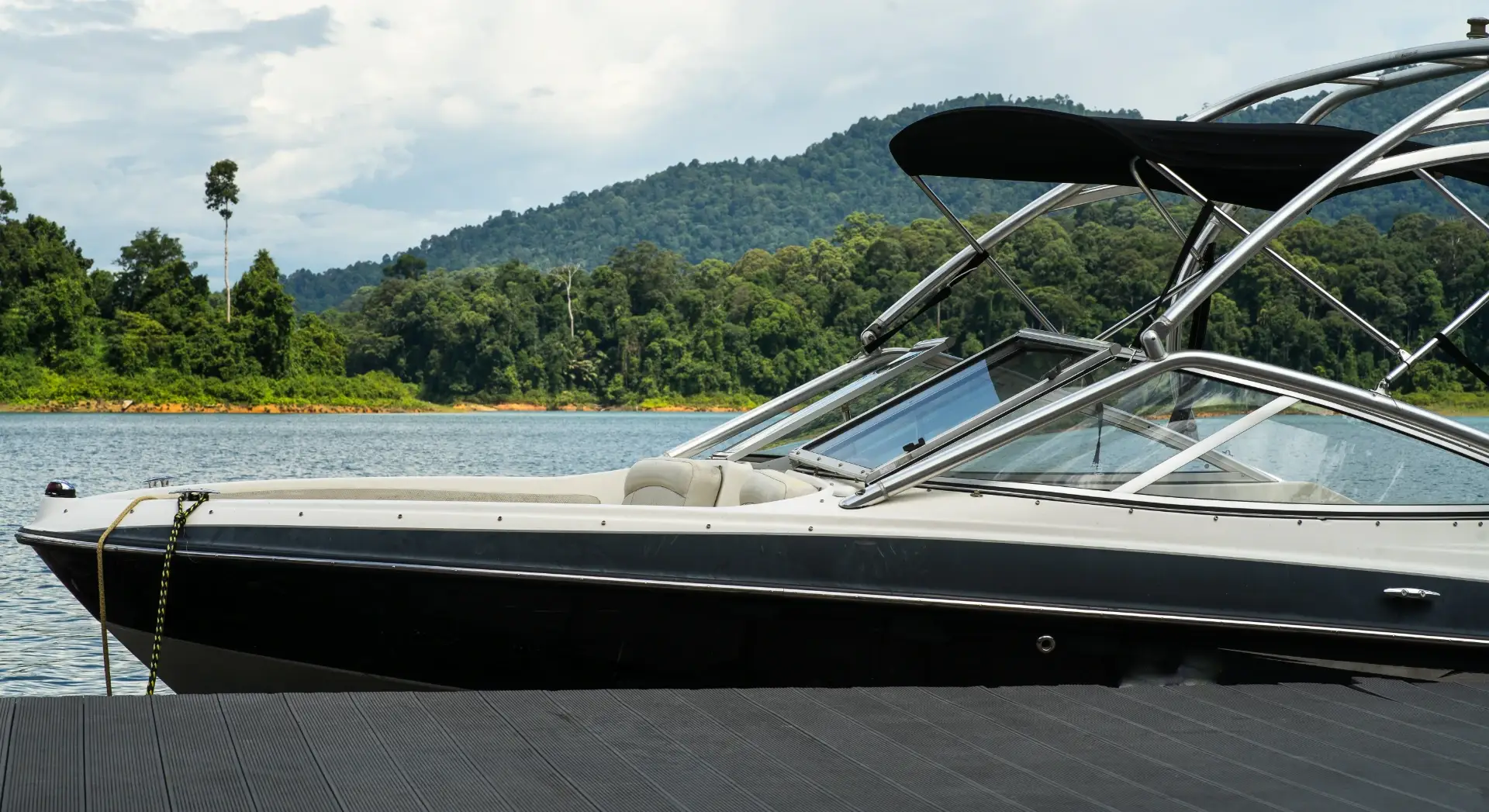
Window Tinting for Speedboats & Wake Boats
These get driven fast, in direct sun, usually with the windshield doing real work. Glare reduction at the helm matters as much here as heat control does, since a driver squinting into reflected sun off the water is a genuine visibility problem.
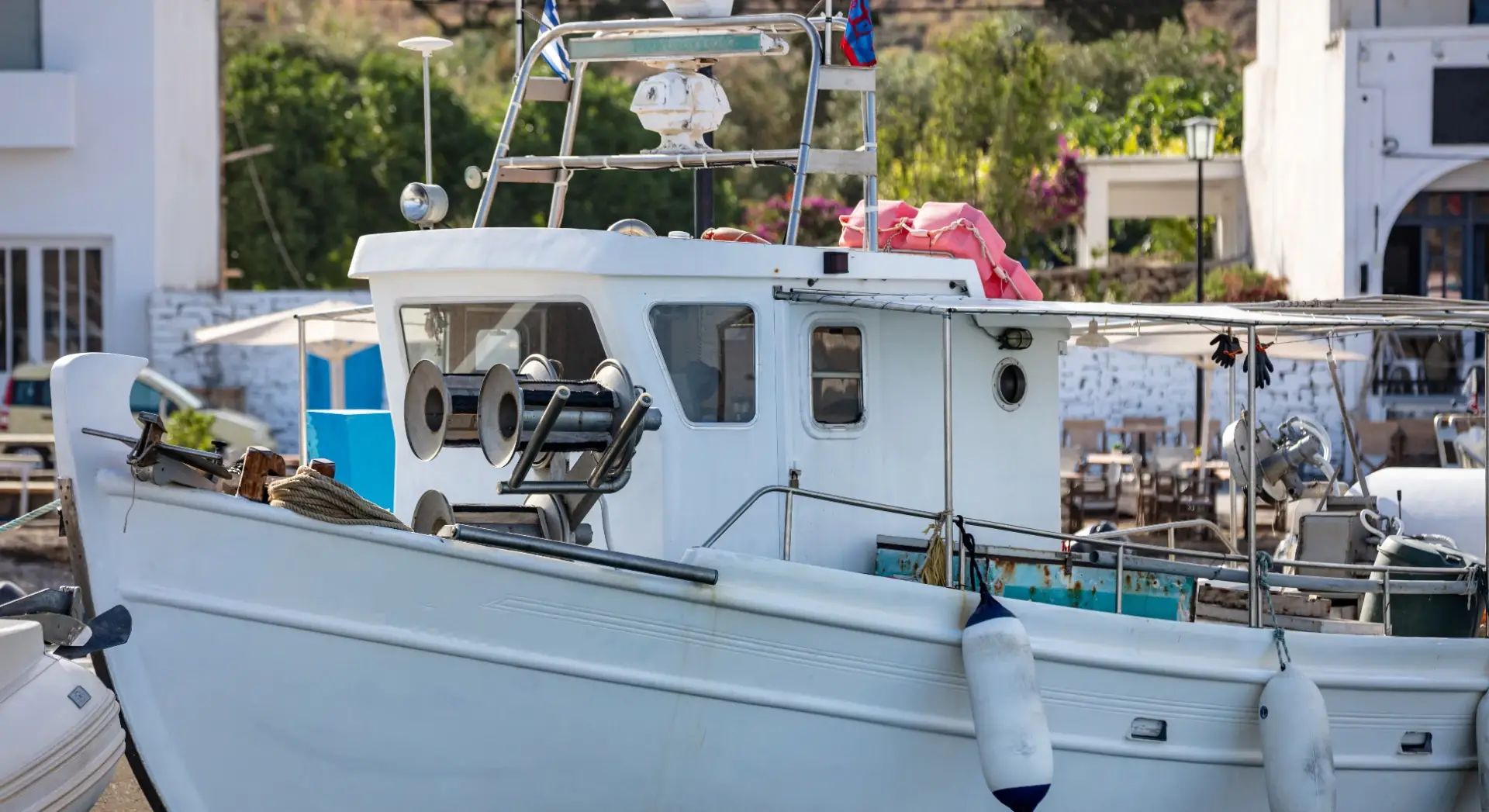
Window Tinting for Fishing Boats, Workboats & Commercial Vessels
Function usually beats aesthetics on this end of things, nobody’s picking a fishing boat’s tint based on how it photographs. Durability, glare reduction for long days on the water, and UV protection for whoever’s spending eight hours out there are the priorities, over a specific look or finish.
WHAT WE LOOK AT BEFORE WE QUOTE.
What to Expect With Our Window Tinting Services
Glass type and cabin layout come first, then how much sun the boat actually sees, docked, moored, or trailered between trips matters more than most owners expect. From there we recommend a film and get you a quote, no guessing based on boat length alone. One visit usually covers it, and we work around your season rather than the other way around. For the broader rundown on marine film and pricing, our marine window tinting page is the place to start.
WHAT THE NEIGHBORS ACTUALLY SAY.
What People Are Saying
Great job. Fast and clean lines. Used a machine to cut tint. Made it quick and easy. No cutting on windows with the risk of scratching your glass. Looks great. Will definitely be taking my other vehicle here for tinting
Shady business did a great job of tinting my windows. It’s like a whole new car! If you’re looking to get your windows tinted fast, professionally and at an affordable price, this is the place for you! Had my car done in less than a day, highly recommend
Jerry is very knowledgeable and does an absolutely awesome job. Shady Business is the best.
100% will recommend anyone in search of a tint service. Fantastic customer service and takes pride in the work being done. Keep up the great work!
BOAT TODAY, HOUSE TOMORROW?
Own a Lake House Too?
Boat and house tend to travel together on Flathead Lake, and the same sun causing trouble on the water is doing the same thing to your floors and furniture at home. We handle both, so it’s one call instead of two separate contractors. Start with residential window tinting if the house is the more pressing problem, or head to About Us if you’d rather know who’s showing up before you book anything.
Frequently Asked Questions
Does the right window film depend on the type of boat?
Yes. A pontoon’s open layout and flat glass need a different approach than a cabin cruiser’s enclosed, curved cabin glass. Film choice and installation both change based on the vessel.
Can you tint canvas tops or vinyl boat enclosures?
No. Canvas, bimini tops and flexible vinyl or isinglass panels aren’t glass, and standard window film doesn’t bond to them properly. We tint hard glass and hard-mounted windows.
Is our premium film worth it for a cabin cruiser or yacht?
Usually, yes. Enclosed cabins trap heat the way a closed car does, so the stronger heat rejection our premium film offers tends to matter more here than on an open pontoon or deck boat.
Do sailboats need window tinting?
Often, especially on boats that sit moored with the cabin closed up for stretches. The main consideration is keeping cockpit visibility clear while still cutting heat and UV on the cabin glass.
What matters most for fishing boats and workboats?
Durability and glare reduction usually top the list, since these boats see long days on the water where visibility and comfort matter more than a specific aesthetic finish.