
Residential Window Tinting
UV-Blocking Window Film for Flathead Lake Homes
UV-blocking window film protects hardwood, furniture and fabric from fading, without darkening the room or the view.
Residential Window Tinting
UV Blocking for Homes
Look at the floor in a room with a big south or west-facing window and you’ll probably see it: a strip or patch that’s a noticeably different shade than the rest of the floor. That’s not wear and tear. That’s months, maybe years, of UV exposure bleaching the finish exactly where the sun lands every day, quietly, with zero regard for what you paid per square foot.
On a lake home with wide-plank hardwood, custom rugs and real leather or upholstered furniture facing a full wall of glass, that damage adds up fast, and it’s expensive to reverse. UV-blocking window film, a common home tinting upgrade around the lake, stops it at the glass, before it ever reaches what’s inside.
Where We Work
Proudly Serving Northwest Montana
We install UV-blocking film on homes throughout Polson, Big Fork, Ronan and the rest of the Flathead Lake shoreline, along with Pablo, St. Ignatius and the wider Mission Valley. UV-blocking window film protects hardwood, furniture and fabric from fading, without darkening the room or the view.
Elevation, fading, and glass that won't help.
What's Actually Bothering You
Homeowners usually call us for one of three reasons, sometimes all at once.
Elevation Means More UV
UV intensity climbs with elevation, and the Mission Valley sits high enough that the sun coming through your windows carries more ultraviolet radiation than it would at sea level
Fast Fading, All Summer Long
A lot of people moving here from lower elevations are genuinely surprised by how fast a couch or hardwood floor starts to fade compared to a previous home somewhere flatter and lower. Add in Montana's long, bright summer days, and south and west-facing rooms take a steady beating for months at a stretch.
Standard Glass Won't Stop It
Glass alone stops almost none of it. Standard window glass blocks very little UVA radiation, which is the wavelength most responsible for fading, so an untreated window is doing far less protective work than most homeowners assume.
What's actually getting blocked.
What UV Film Actually Stops
Ordinary sunlight carries three things that matter here: visible light, heat, and ultraviolet radiation. UV-blocking film is engineered specifically to filter that last one, typically stopping up to 99% of UV rays, while letting most of the visible light you actually want straight through. That’s the key difference between UV film and simply hanging a heavier curtain. A curtain blocks light and UV together, forcing you to choose between a bright room and a protected one. Film separates the two.
What that protects, room by room:
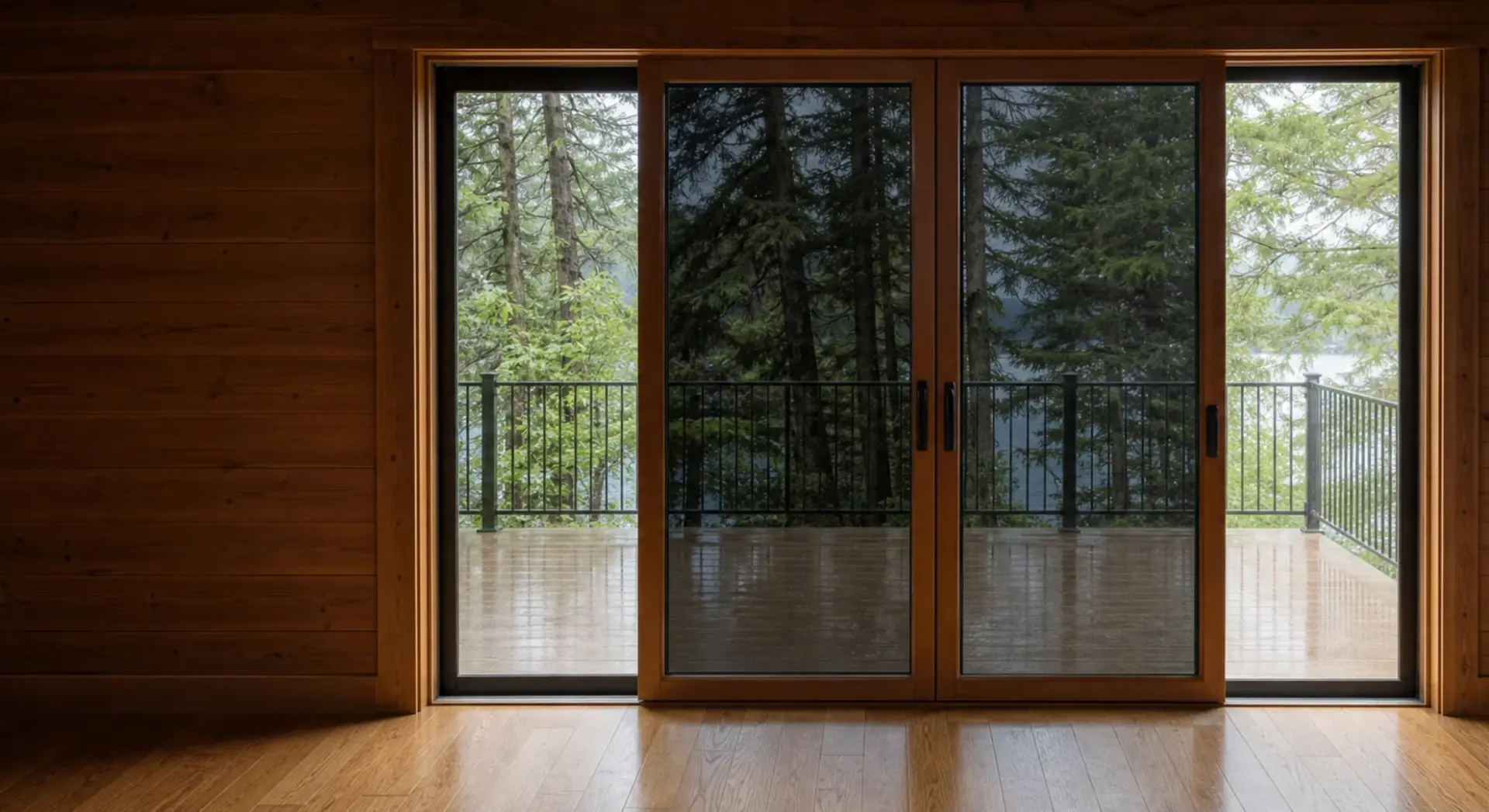
Hardwood floors and finishes
Near south or west-facing windows, where sun-bleaching shows up as an uneven color patch over time.
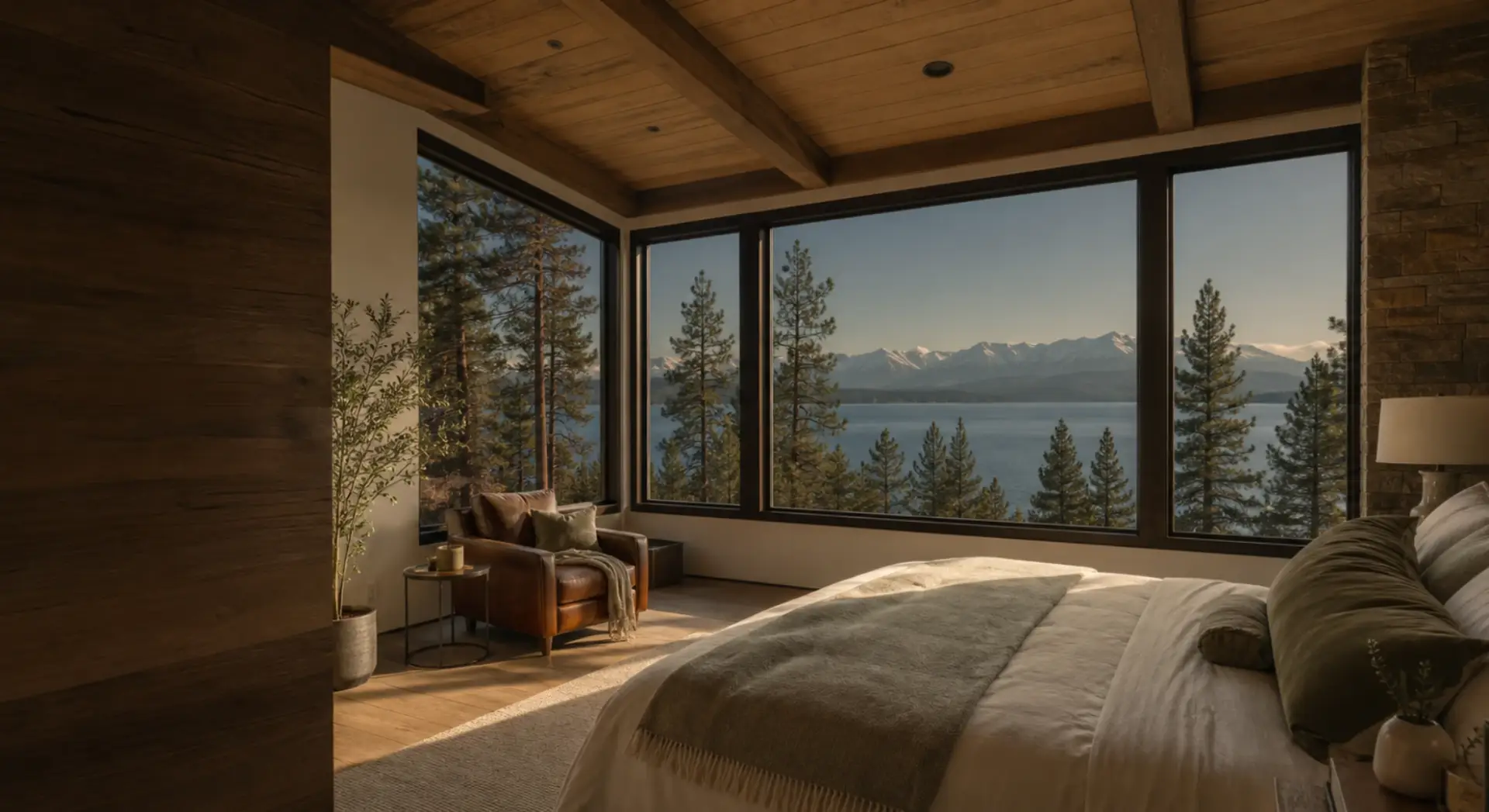
Furniture upholstery and leather,
Which fades and can crack or dry out faster under sustained UV exposure.
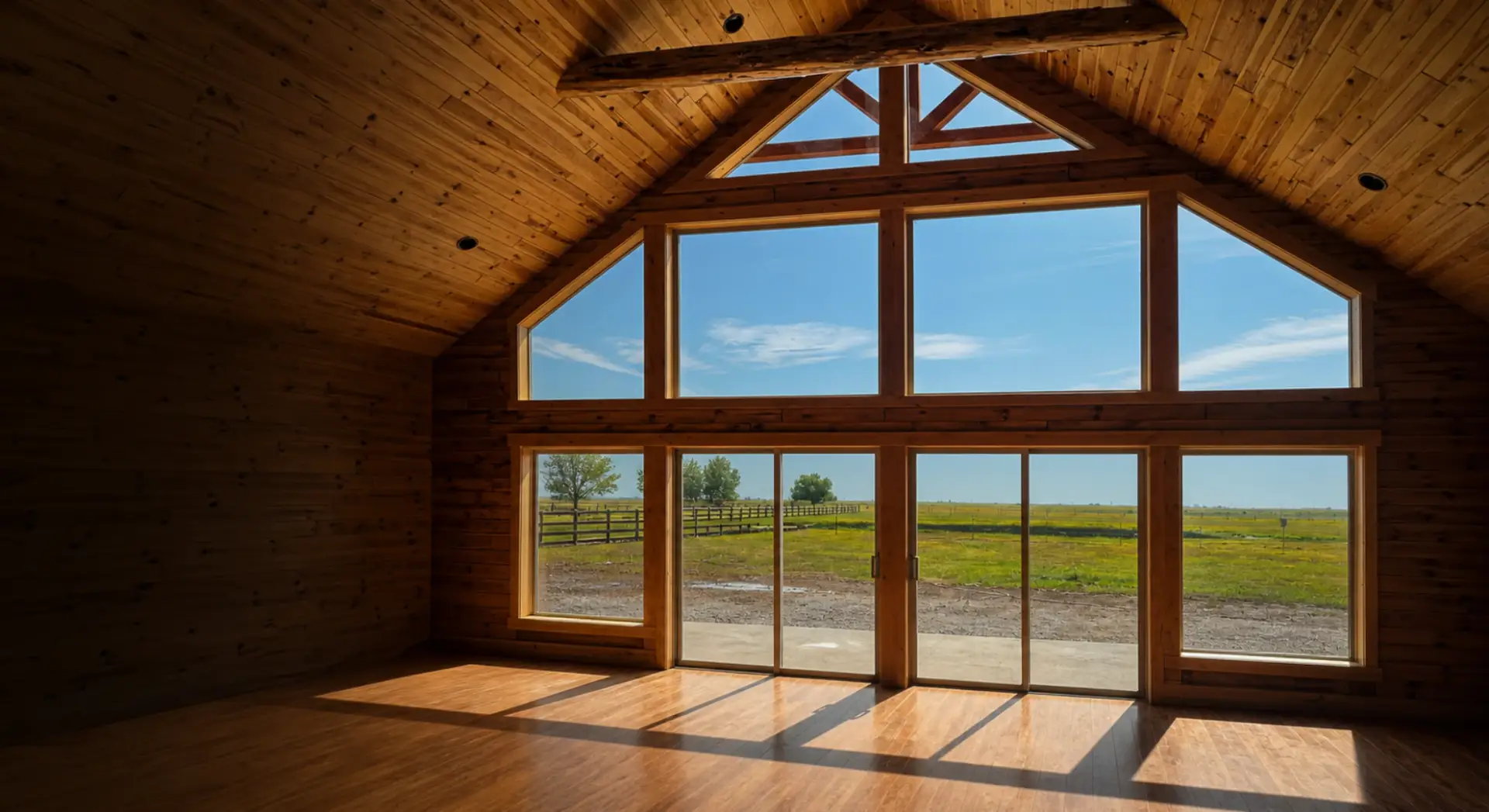
Rugs, curtains and fabric
Especially anything with dye that’s prone to fading.
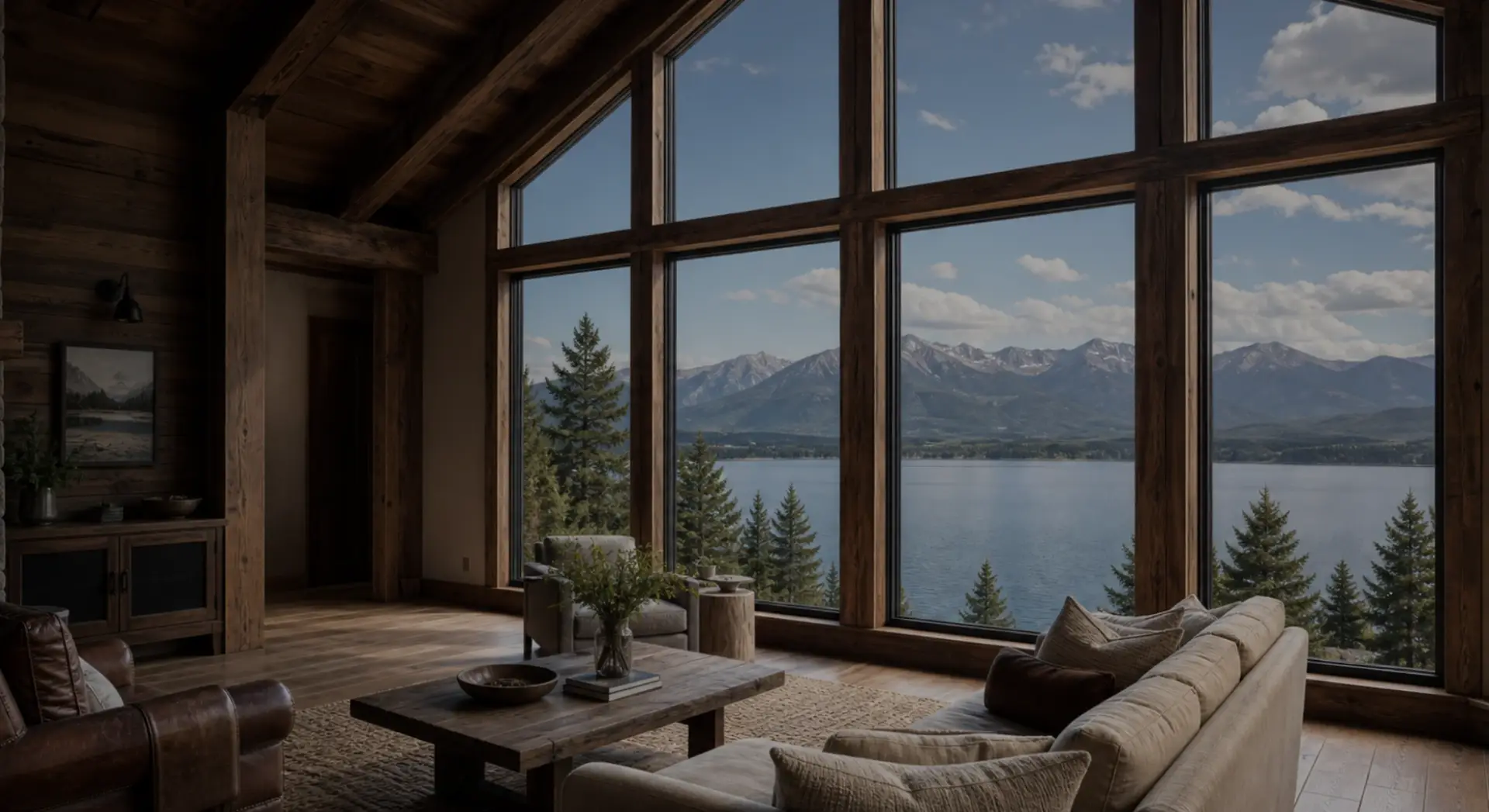
Artwork, photographs and wood furniture finishes
All of which degrade faster under direct UV exposure than most people realize.
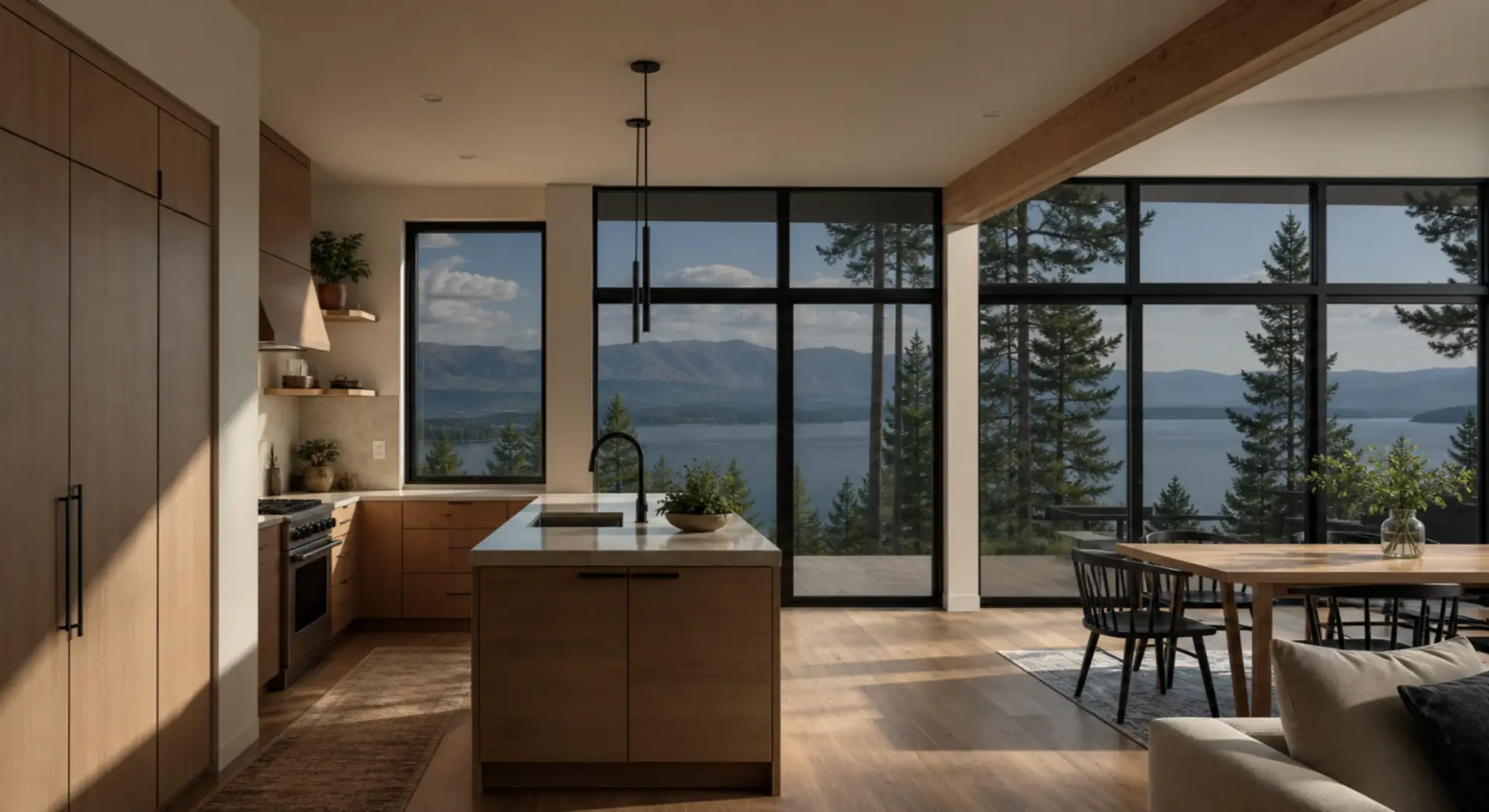
Wine and anything else stored near a sunlit wall
Since UV exposure and heat buildup are both accelerants for damage on items that are otherwise kept in careful storage.
UV protection
UV Protection Without Losing Your Windows
UV film can be installed in a near-clear finish, it’s a common choice for homeowners who want protection without changing how a room looks or feels. You won’t lose your view, and in most cases you won’t notice a shift in how bright the room is.
On a large lake-facing exposure
Solar protective tint delivers the same UV protection along with stronger heat rejection.
Less heat. Less glare. Same view.
Residential Window Tinting
If heat and glare are as much of an issue for you as fading, our residential window tinting page covers solar window film and heat control window film options, which handle both UV and a meaningful share of solar heat in one product.
Discreet by design.
Privacy Tinting for Homes
If privacy is part of what you’re solving for on the same window, our privacy tinting for homes page walks through how those two goals often get handled together.
How the job actually goes
A Straightforward Process
We start by looking at which rooms are getting the worst sun exposure, usually south and west-facing windows, and any spots where you’ve already noticed fading.
Send us photos through our contact page and we’ll recommend a film and give you a quote before anything is scheduled. Most residential UV film jobs are completed in a single visit, with no lingering odor or mess once we’re done. Want to know more about who’s doing the install? Our About Us page covers that.
Frequently Asked Questions
Does window tint really block UV rays?
Yes. Professional UV-blocking window film typically filters up to 99% of ultraviolet radiation, which is the primary cause of fading in floors, furniture and fabric.
Does regular window glass block UV rays on its own?
Standard window glass blocks very little UVA radiation, the wavelength most responsible for fading. That’s why homes with large, untreated windows often show fading even without direct exposure to extreme heat.
Will UV film make my windows look tinted or dark?
Not necessarily. UV-blocking film is available in near-clear finishes that filter ultraviolet light while preserving most of the natural visible light in a room.
How do I know if my furniture or floors are being damaged by UV exposure?
Look for uneven fading in a pattern that matches your window’s sun path, such as a lighter strip on a floor or a chair cushion that’s a different shade on the side facing the window.
Is UV window film a one-time fix or does it need to be reapplied?
Professional UV film is a long-term installation, not a temporary treatment. Quality residential film typically holds up for over a decade with proper installation.